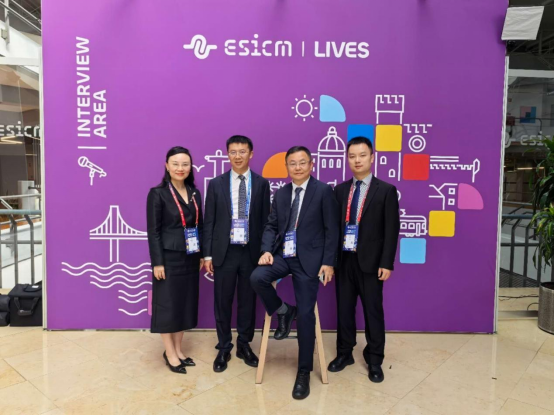
From October 10 to 14, the 39th Annual
Congress of the European Society of Intensive Care Medicine (ESICM LIVES 2026)
was held in Lisbon, Portugal. Themed "Care, Connect, Discover," the
congress brought together more than 6,000 critical care professionals from over
100 countries and regions. The Critical Care Medicine Department team from West
China Hospital, Sichuan University (WCH) attended the congress, sharing
research findings and management experience on frontier topics including sepsis
diagnosis and treatment, respiratory drive regulation, precision diagnosis of
infections, and temperature management for heatstroke, conveying the "WCH
voice" on the international stage.
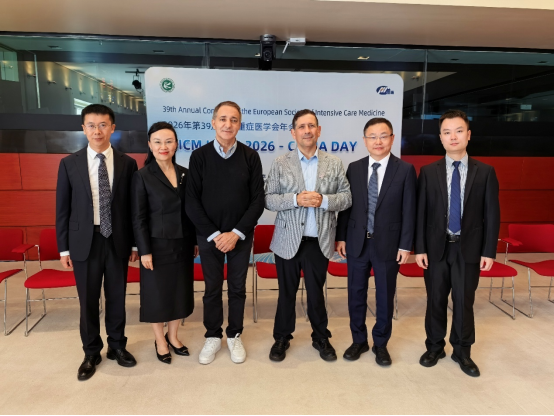
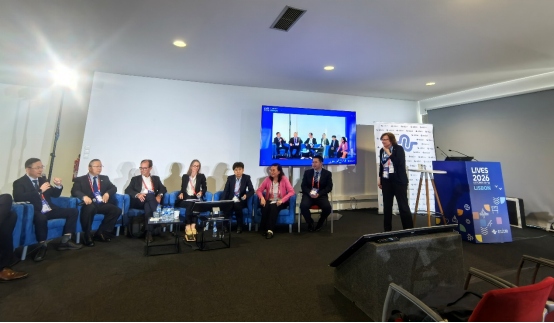
The China-Europe Critical Care Medicine Forum was one of the key academic exchange platforms at this year's congress. Professor Kang Yan from the WCH Critical Care Medicine Department, representing the Chinese Medical Association's Critical Care Medicine Branch, co-chaired the forum with Professor Marlies Ostermann, President of the European Society of Intensive Care Medicine, and Professor Chen Dechang, Chair of the Chinese Medical Association's Critical Care Medicine Branch. Experts at the forum held in-depth discussions on sepsis diagnosis and treatment guidelines and their clinical application. During the congress, the WCH critical care team shared three research findings addressing practical clinical challenges, focusing on respiratory support, infection diagnosis and treatment, and heatstroke management. These presentations demonstrated the team's commitment to starting from clinical problems and pursuing high-quality research to continuously optimize critical care diagnosis and treatment.
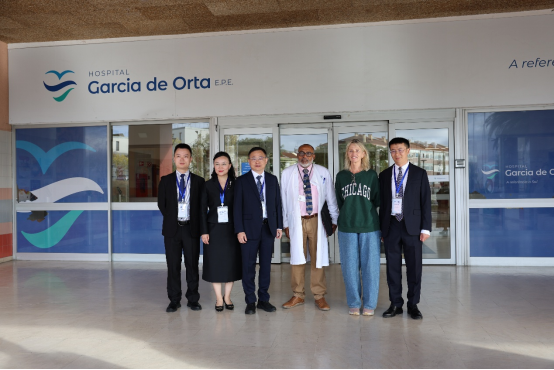
The WCH critical care delegation also visited the Intensive Care Department at Hospital Garcia de Orta (HGO) in Portugal, exchanging views on departmental development and clinical operations with Department Director Antero do Vale Fernandes and colleagues. The visit provided valuable insights for further optimizing departmental management and enhancing critical care capabilities. In addition, the WCH team held in-depth discussions with the Editor-in-Chief of Intensive Care Medicine, a leading international journal in the field, on high-quality clinical research. These exchanges offered valuable reference for further refining research work and improving the international dissemination of research outcomes.